Rupee at 91.9: Hidden Stock Winners in India Nobody Is Talking About
The headline is obvious. The opportunity is not.
Everyone can see the big headline: INR is weak, crude is jumpy, markets are nervous.
For tomorrow’s transmission watchlist, see stocks to watch tomorrow in India.
For full macro context, use the India Market Stress Playbook.
For related risk transmission into lenders, read our Bank Nifty liquidity-stress vs earnings-reset analysis.
What most people miss is this: currency stress is a sorting machine. It separates businesses with clean dollar earnings from businesses that only look like beneficiaries on the surface.
If your market angle is just “weak rupee hurts importers, helps exporters,” you’re repeating TV noise. The better angle is balance-sheet structure and cash-flow quality.
A better framework: the 4-bucket FX map
Use this simple map before you discuss any stock.
Bucket A: clean beneficiaries
These companies earn in USD (or other hard currencies), have limited imported inputs, and hedge sensibly. When INR weakens, operating leverage can improve.
Bucket B: optical beneficiaries
These are exporters with high imported raw materials. Revenue gets a currency tailwind, but input costs can eat a chunk of that upside.
Bucket C: domestic earners with external cost pressure
Mostly INR revenue, but costs are linked to imported commodities, fuel, or globally priced inputs. Margins can compress fast if pass-through is weak.
Bucket D: balance-sheet risk names
This is the under-discussed bucket. Companies with unhedged foreign currency debt can get hit even if the core business looks fine.
Why this matters now
India is currently dealing with:
– INR around 91.9 per USD
– Elevated volatility and risk premium
– Crude-sensitive sentiment due to West Asia headlines
– Persistent FII caution, partly offset by DII support
In this setup, calling sectors is not enough. You need to separate companies by FX plumbing.
Sectors to watch through this lens
Potentially stronger setup if company-level data confirms:
– IT services
– Pharma exporters
– Specialty chemicals with net export exposure
– Select auto ancillaries with natural hedges
Potentially vulnerable pockets:
– Aviation
– Oil marketing margin-sensitive names
– High-import-content consumer segments
– Companies with weak hedge discipline and FX debt mismatch
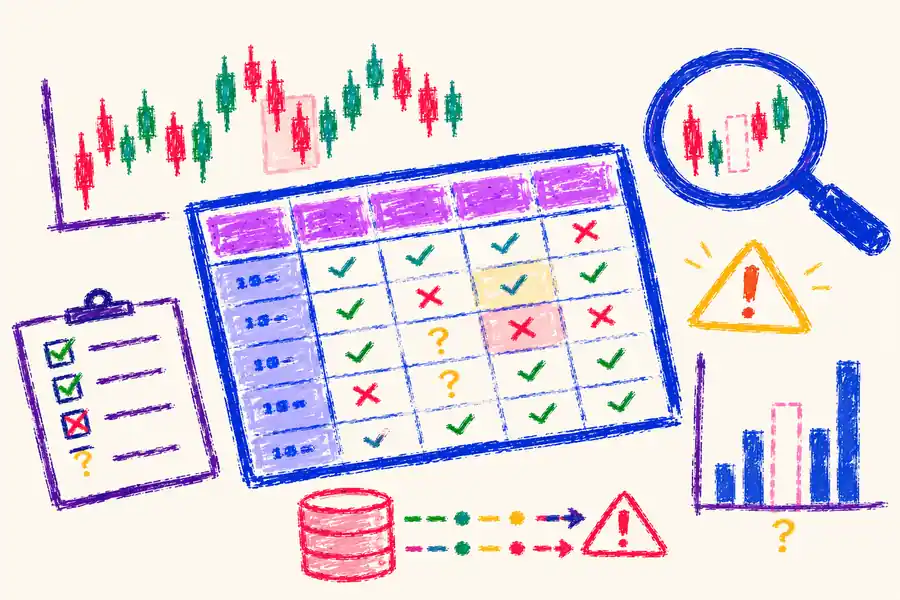
The checklist that improves hit-rate
Before publishing a bullish or bearish take, verify these from filings and management commentary:
1. Export revenue share
2. Import dependence in COGS
3. Net forex gain/loss trend (last 8 quarters)
4. Hedging policy quality (not just “we hedge”)
5. Foreign currency debt vs natural dollar cash flow
6. FX pass-through timeline
Most commentary stops at point 1. Edge usually comes from points 3 to 6.
The second-angle thesis
Weak INR is not a sector call. It’s a quality filter.
Two companies can both be called “export beneficiaries,” but only one keeps the currency upside after hedges, imported inputs, and financing costs.
That gap is where the non-consensus trade lives.
Share this insight
Spread the Alpha
Related Articles
More ideas that align with your trading playbook.

Reliance AGM 2026 Highlights: Jio IPO, AI and New Energy Plans Explained
Reliance Industries’ annual general meetings usually come with big announcements. The 2026 AGM was no different. But beneath the new products, ambitious…
SEBI’s Commodity Plan Just Lost Its Institutional Anchor. What It Means for MCX
SEBI wanted banks, insurers, and eventually pension funds to deepen India's commodity derivatives market. RBI and IRDAI are not inclined to allow…

India’s Data Center Power Trade: Which Stocks Benefit First if AI Infra Spending Accelerates?
India's AI buildout may look like a software story, but the first listed winners could emerge from transformers, cables, switchgear, backup power,…

 DailyBulls (Arthashilpi Ventures) is a D-U-N-S verified company.