
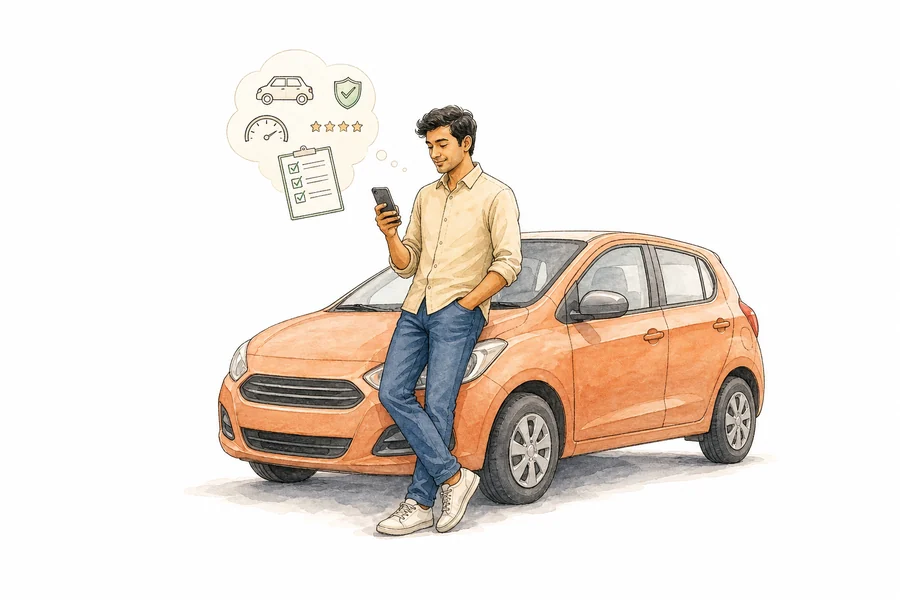
The Indian car-buying journey has changed significantly over the past decade. Earlier, buyers depended heavily on dealerships, advertisements, or recommendations from friends and family. Today, however, a new type of consumer is emerging—the self-educated car buyer.
These buyers prefer to research independently, compare multiple options, and understand every aspect of ownership before making a decision. This shift is transforming not just how cars are bought, but also how the automotive industry operates.
Who Are Self-Educated Car Buyers?
Self-educated buyers are consumers who:
- Conduct extensive online research
- Compare multiple models and variants
- Understand ownership costs and safety ratings
- Rely on reviews and data instead of only dealership advice
They approach car buying as a research-driven process rather than an impulse decision.
The Internet Changed Buyer Behaviour
The rise of digital access has played a major role in this shift.
Today, buyers can:
- Explore specifications instantly
- Watch video reviews and comparisons
- Read owner experiences
- Compare prices and features online
This easy access to information has reduced dependence on traditional dealership-led sales conversations.
Instead of entering a showroom with questions, buyers now often arrive with shortlisted options and detailed knowledge.
Why Buyers Are Researching More
There are several reasons why Indian consumers are becoming more informed before purchasing cars.
1. Cars Are Expensive Purchases
For most households, buying a car is a major financial decision.
As a result, buyers now evaluate:
- Long-term ownership costs
- Fuel efficiency
- Maintenance expenses
- Resale value
Research helps reduce uncertainty and improves confidence.
2. More Choices in the Market
The market now offers:
- Hatchbacks, sedans, SUVs, and EVs
- Multiple fuel options
- Several variants within the same model
This wide range of options encourages comparison and detailed analysis.
Safety Awareness Has Increased
One of the biggest changes among self-educated buyers is the growing focus on safety.
Modern buyers actively research:
- Crash test ratings
- Number of airbags
- Electronic safety systems
- Real-world safety performance
Safety is no longer an optional factor—it is now a key buying consideration.
Features Are Evaluated More Critically
Earlier, buyers were often influenced by long feature lists.
Now, they ask:
- Which features are genuinely useful?
- Are they practical for daily driving?
- Do they justify the price difference?
This shows how buyers are becoming more selective and informed.
Influence of Reviews and Real-World Feedback
Online reviews have become one of the most trusted sources of information.
Buyers now rely heavily on:
- Long-term ownership reviews
- User experiences
- Real-world mileage and maintenance feedback
These insights are often valued more than advertisements because they reflect actual ownership experiences.
Social Media and Video Content Matter
Video content has also changed the way people buy cars.
Consumers now:
- Watch walkaround videos
- Compare driving impressions
- Understand practicality through visual demonstrations
This makes the research process more engaging and detailed.
The Dealership Is No Longer the First Step
Traditionally, dealerships introduced buyers to products.
Today, buyers usually:
- Research online first
- Compare models independently
- Visit showrooms only after shortlisting options
This has shifted the dealership’s role from information provider to experience and purchase facilitator.
Transparency Has Become a Priority
Self-educated buyers value transparency more than ever.
They expect:
- Clear pricing
- Honest comparisons
- Detailed ownership insights
Platforms like ACKO Drive help meet these expectations by simplifying comparisons and presenting important ownership-related information in a more accessible way.
Emotional Buying Still Exists
Even though buyers are more informed, emotions still influence decisions.
Factors like:
- Design and styling
- Brand perception
- Road presence
continue to matter.
However, emotions are now balanced with practical evaluation rather than driving the decision entirely.
How the Industry Is Responding
The rise of self-educated buyers is changing the automotive industry itself.
Automakers and platforms are now focusing more on:
- Digital experiences
- Transparent communication
- Better online research tools
This reflects a broader shift towards customer-led decision-making.
Why This Shift Matters
Self-educated buyers are reshaping car buying in India because they:
- Make more informed decisions
- Compare options more thoroughly
- Think long-term about ownership
This creates a more competitive and transparent market.
Final Thoughts
The rise of self-educated car buyers marks a major shift in India’s automotive landscape.
Today’s buyers are:
- More informed
- More analytical
- More confident in their decisions
They no longer rely solely on advertisements or dealership pitches. Instead, they use data, reviews, and digital research to choose the right car for their needs.
Platforms like ACKO Drive reflect this new era by helping buyers access information, compare vehicles, and understand ownership costs more easily.
Because in today’s market, buying a car is no longer just about choosing what looks good—it’s about making a decision backed by knowledge and confidence.