
The ability to borrow money in minutes, from your phone, at midnight, wearing pyjamas, is one of those modern conveniences that cuts both ways. Instant credit products have exploded in popularity over the past decade, and for good reason. They solve real problems. But they also create new ones, often for the people who can least afford them.
The Appeal Is Obvious
Traditional lending used to involve appointments, paperwork, waiting periods, and the vague humiliation of explaining your finances to a stranger behind a desk. Instant credit stripped all of that away. You fill out a form, get a decision in seconds or minutes, and the money lands in your account the same day. Sometimes within the hour.
This speed genuinely matters in certain situations. A broken boiler in January doesn’t wait for a bank manager’s schedule. Neither does a car repair you need to get to work. When the alternative is a payday lender charging triple-digit interest rates, a low interest personal loan from a reputable online lender is a far better option. The key word there is “reputable.” Not all instant credit is created equal, and the speed of approval tells you nothing about whether the terms are fair.
When Speed Actually Helps
There are legitimate scenarios where fast access to credit is the right call. Emergency home repairs, unexpected medical bills, or urgent travel for a family crisis are all situations where waiting two weeks for a traditional loan approval would cause real harm.
Consolidating existing high-interest debt is another reasonable use. If you’re carrying balances on credit cards at 20% or more, replacing that with a single fixed-rate loan at a lower rate saves you money every month. The maths is straightforward, and acting quickly before another month of interest compounds is genuinely useful.
The same applies if you need to cover a short gap between a large expense and incoming funds you’re certain about. Maybe you’ve sold a property and the money takes weeks to clear, but you need to put a deposit on your next place now. Borrowing briefly against a known incoming payment is a calculated, sensible move.
When to Pause and Think Harder
The trouble starts when speed works against your interests. Instant credit is designed to minimise friction, and friction is sometimes the only thing standing between you and a bad decision.
Borrowing for discretionary spending is the clearest warning sign. A holiday, new furniture, the latest phone. These are wants, not needs, and financing them with credit means paying more than the sticker price once interest is factored in. That sofa doesn’t become more comfortable because you’re still paying for it eighteen months after buying it.
Another red flag is borrowing to cover routine monthly shortfalls. If your regular income doesn’t cover your regular expenses, a loan doesn’t fix the underlying problem. It delays it while adding a new monthly payment on top. This is how debt spirals begin, and they’re remarkably easy to fall into. One loan becomes two, the repayments eat into next month’s budget, and suddenly you’re borrowing again to stay afloat.
The Fine Print Matters More Than the Speed
Instant approval often comes with trade-offs that aren’t obvious at the point of application. Higher interest rates, arrangement fees, early repayment penalties, and variable rate clauses can all inflate the true cost well beyond what the headline figure suggests.
The APR is the number to focus on, because it captures the total annual cost of borrowing including fees. Comparing APRs across different products is the closest thing to an apples-to-apples comparison you’ll get. But even APR has limits. It assumes you’ll borrow for the full term, which might not match your actual plans.
Before committing, it’s worth spending fifteen minutes checking whether you could get a personal loan online from a mainstream lender at a better rate. The application might take slightly longer, but slightly longer could mean the difference between 7% and 25% interest. That’s not a trivial gap on a £5,000 loan over three years.
Know Yourself Before You Borrow
This is the part nobody likes to hear, but it’s the most important. Your relationship with money and debt matters more than the interest rate. If you know you tend to spend first and worry later, the frictionless nature of instant credit is a hazard, not a convenience. Speed is a feature for disciplined borrowers and a trap for impulsive ones.
A useful test: if you wouldn’t walk into a bank branch, sit down with a lending officer, and make the same request face to face, you probably shouldn’t be doing it on your phone at 11pm either. The embarrassment you’d feel in that office is information. It’s your own judgement telling you something.
A Simple Framework
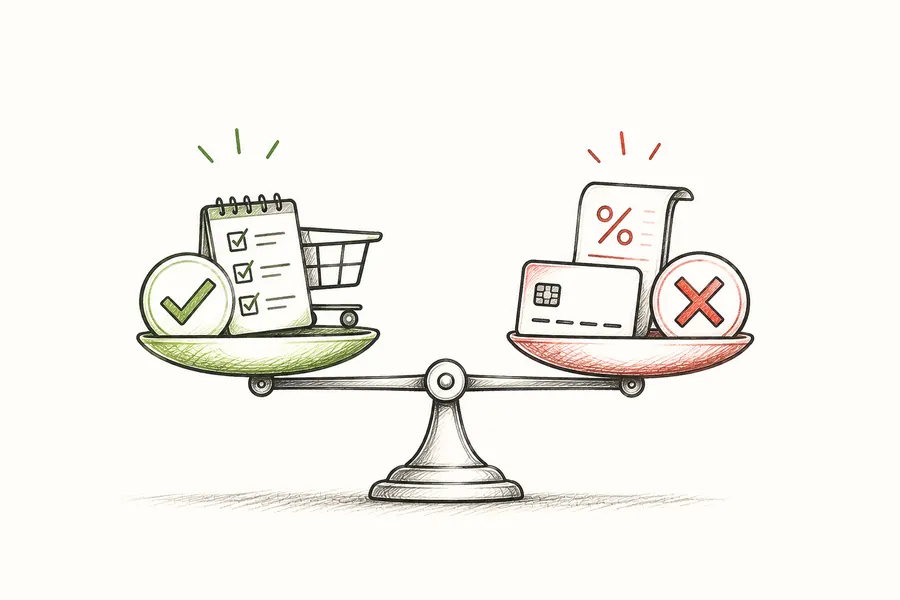
Borrow quickly when there’s a genuine emergency, when you’ve compared rates, and when you have a clear repayment plan funded by existing income. Avoid borrowing quickly when you’re emotional, when you haven’t compared options, or when the loan would fund something you could simply wait for and save toward.
Instant credit is a tool. Like any tool, it works well when used for the right job and causes damage when it isn’t. The speed is neutral. What you do with it is everything.